Genoa Undersea Road Tunnel
Italy’s first underwater tunnel connecting the city from East to West
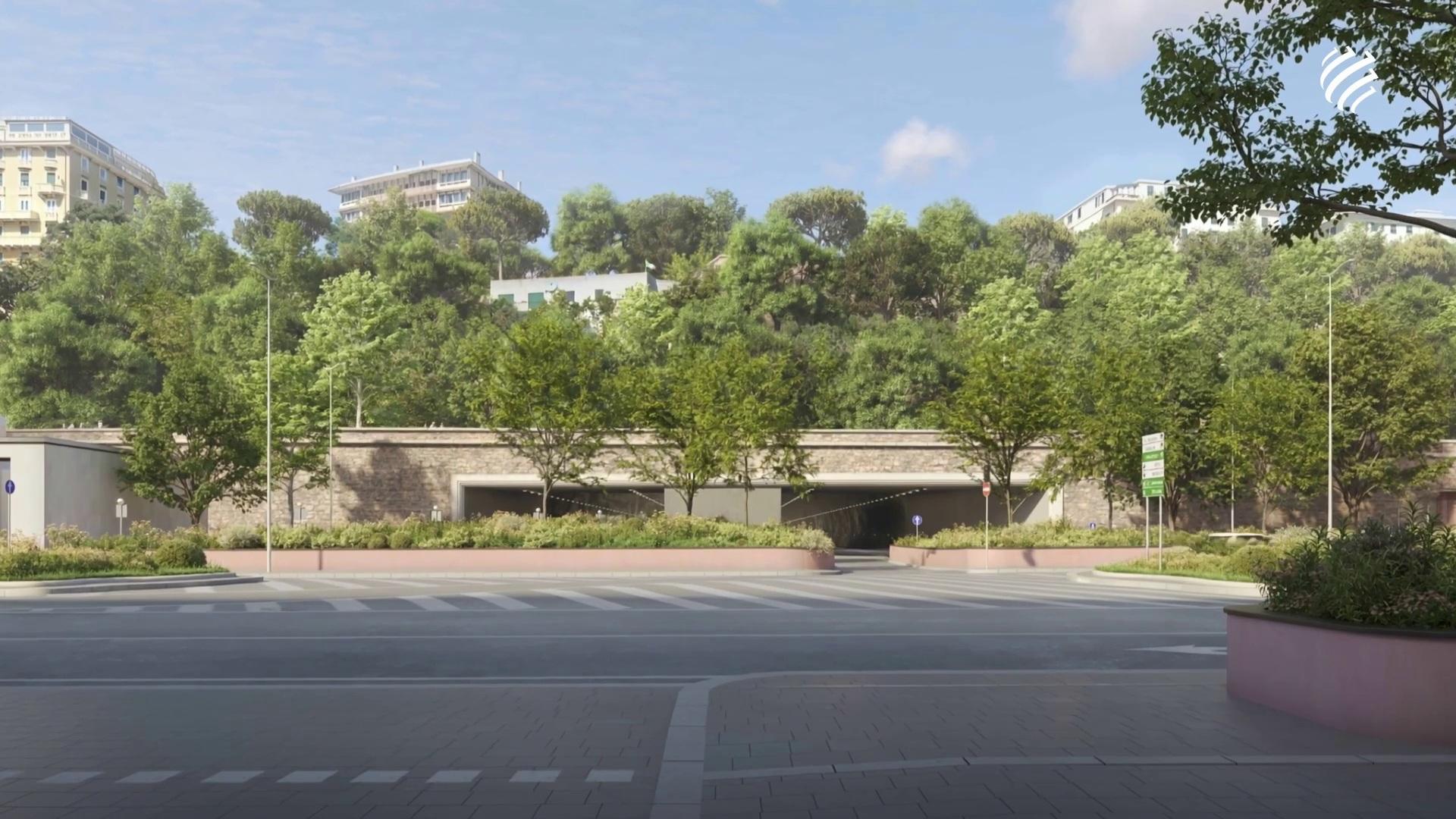
The Genoa Undersea Road Tunnel, one of the most significant infrastructure projects for the city’s future, involves the construction of a new underground East-West connection running beneath the port basin and the Carignano hill, creating a modern, efficient, and safe link between San Benigno and Viale Brigate Partigiane.
The Webuild Group will deliver Lot B of the new infrastructure, which includes the preliminary works, all excavation works for the 7 km of tunnels, and the completion works, comprising all final construction activities, from tunnel linings and road pavements to tunnel technological systems, as well as environmental and urban enhancement works that will ensure the full integration of the project into the urban fabric.
Commissioned and financed by Autostrade per l’Italia and entirely developed by Tecne (the engineering company of the Autostrade per l’Italia Group), the project aims to transform the way people and goods move within the city by separating urban traffic flows from those related to port and logistics activities. This strategic solution will help optimize connections to industrial and commercial areas, improve access to the port while reducing traffic congestion, and strengthen Genoa’s role as a strategic national and international logistics hub.
Il Tunnel Subportuale di Genova
Genoa Undersea Road Tunnel: Technical Features and Excavation Methodology
For the excavation of the approximately 7 km of tunnels included in the project, one of the largest Tunnel Boring Machines (TBMs) ever used in Italy will be deployed, featuring a diameter of approximately 16 metres. This technology enables safe operations even in complex environments such as Genoa’s urban and port areas, including below the water table, and can adapt to the varying geotechnical conditions encountered along the route. The project will pass through different geological formations, including alluvial deposits, clay soils and limestone formations.
The tunnels will be equipped with precast concrete linings and additional protective systems designed to ensure structural strength, watertightness and fire resistance.
Particular attention will also be given to construction site sustainability, through the responsible management of excavated materials, the reuse of excavated soil and rock, and the reduction of environmental impacts throughout all phases of project delivery.
Genoa Undersea Road Tunnel
Genoa Undersea Road Tunnel: Urban Regeneration for the city
The Genoa Undersea Road Tunnel will be more than a transport infrastructure project; it will include urban transformation and urban regeneration initiatives as well. The project includes the creation of new green spaces, three new public parks, the redevelopment of the areas surrounding the tunnel portals, integration with the existing urban fabric, and the development of a network of cycling and pedestrian paths for the benefit of local communities.
Lanterna Park
One of the most significant components of the project will be the reconnection of the Lanterna, Genoa’s iconic lighthouse, with the Sampierdarena district. Lanterna Park will become the destination point of the cycling and pedestrian route from the Porto Antico waterfront and, at the same time, the starting point for its westward extension through the Lungomare Canepa redevelopment project. Designed as an open and multifunctional space, the park will feature areas dedicated to events, individual sports, children's play and leisure activities. Most importantly, it will enable citizens to reconnect with views of the sea and the entire port basin.
Expansion of Foce Park
The project also includes the northward expansion of Foce Park, which is set to become the largest urban park in the city. The reconfiguration of the carriageways along Viale Brigate Partigiane will allow the green system to extend from the city centre to the urban beach at Piazzale Kennedy. New mature trees will line pedestrian walkways, cycle paths and roadways, creating landscape continuity and improving urban comfort. The new planting scheme will be developed in harmony with the existing ecosystem, linking the historic plane tree avenues of the Foce district with the arboreal heritage of the Francesco Coco Gardens.
Enhancement of Historic Heritage
The urban enhancement works will also include the restoration of the historic walls along Corso Aurelio Saffi, which remained hidden for many years behind structures built at a later stage.